You want to learn a new skill. Maybe it’s coding. Maybe it’s digital marketing. Maybe it’s data science.
You open your browser. Two names pop up: Coursera and Udemy. Both are huge. Both have millions of students. But which one is actually right for you? 🤔
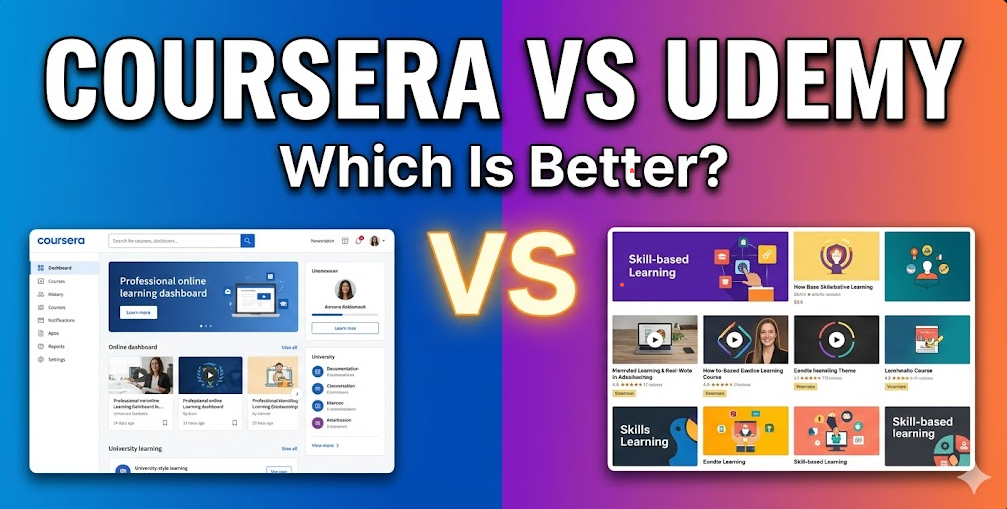
Here’s the truth: they are very different. Coursera is like a university. Udemy is like a YouTube library on steroids. One gives you degrees. The other gives you quick skills.
In this guide, I’ll compare Coursera vs Udemy across 15+ important factors – pricing, certificates, course quality, career impact, and more.
By the end, you’ll know exactly which platform to choose. 🚀
Let’s dive in.
⚡ Quick Comparison: Coursera vs Udemy
Don’t have time to read the full guide? Here’s the 30-second summary:
| Feature | Coursera | Udemy |
|---|---|---|
| Best For | University-style learning, degrees, career switches | Specific skills, hobbies, affordable courses |
| Pricing | $59-$399/year (subscription) or $40-$100 per course | $10-$200 per course (one-time payment) |
| Certificates | Accredited, shareable, university-backed | Course completion only (not accredited) |
| Course Quality | University professors & industry giants (Google, IBM) | Individual instructors (varies widely) |
| Learning Style | Structured, weekly deadlines | Self-paced, watch anytime |
| Recognition | High (employers love Coursera) | Low (not for resumes) |
| Free Options | Audit thousands of courses for free | Very few free courses |
| Best For Job Seekers | ✅ Yes (career certificates, degrees) | ❌ No (skill building only) |
🏆 Quick verdict: Want a degree or career certificate? Choose Coursera. Want to learn Photoshop in a weekend? Choose Udemy.
🎓 What Is Coursera? (Overview + Best Use Cases)
Founded in 2012 by Stanford professors Andrew Ng and Daphne Koller, Coursera was built with a mission: to bring the world’s best university education online. Unlike many ed-tech startups that began with short video tutorials, Coursera started by offering full university courses for free. Today, it has evolved into a full-fledged learning ecosystem.
How Coursera Works:
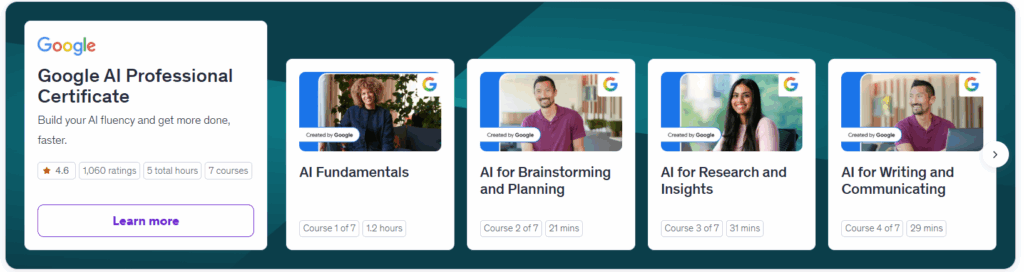
Coursera partners with over 300 top-tier universities and companies, including Yale, Stanford, Imperial College London, Google, IBM, Meta, and Amazon. These partners design and teach every course. You don’t get random instructors; you get tenured professors and senior industry engineers. Courses include video lectures, graded quizzes, programming assignments (auto-graded), peer-reviewed projects, and often a final capstone.
Key Features:
- Individual courses (4–12 weeks)
- Specializations (series of courses in one topic, like Deep Learning or Digital Marketing)
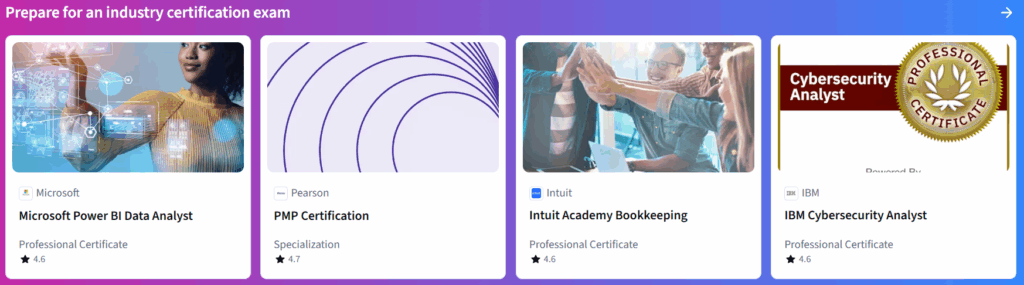
- Professional Certificates (entry-level job training from Google, Meta, etc.)
- MasterTrack Certificates (credit-eligible graduate-level courses)
- Full online Bachelor’s and Master’s degrees (starting at $9,000)
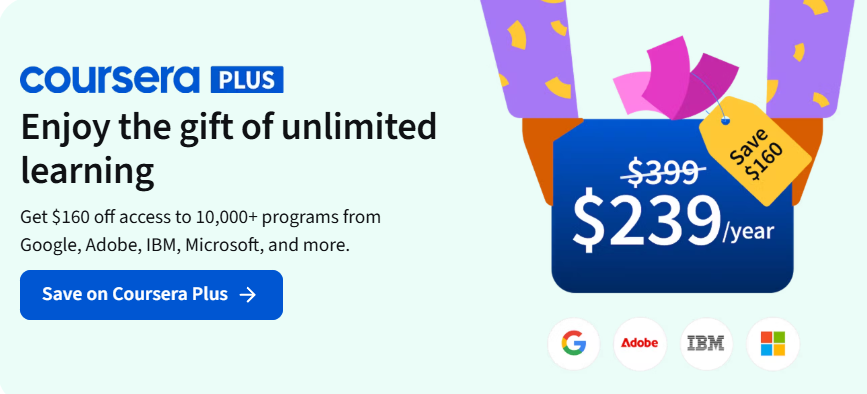
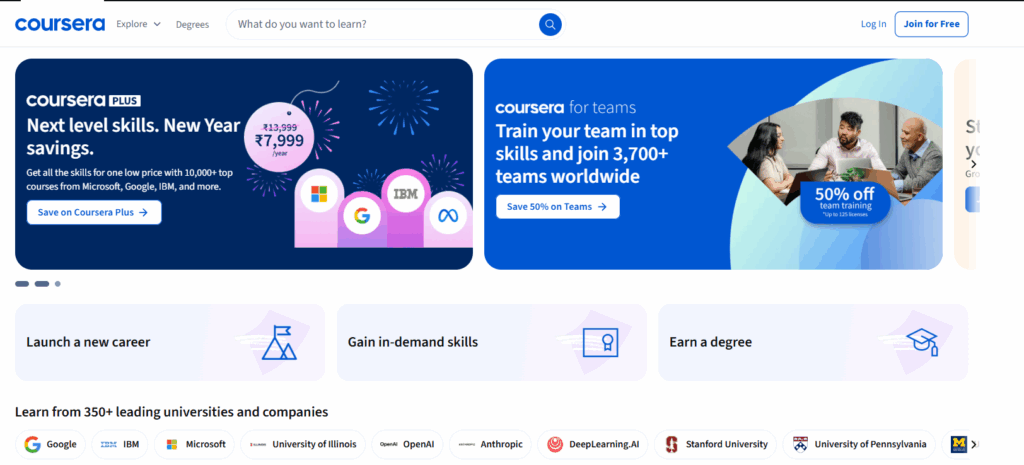
- Coursera Plus subscription (unlimited access to 7,000+ courses)
Best Use Cases for Coursera:
- Career changers who need a structured, resume-worthy credential.
- College students wanting to supplement their degree with elite university content.
- Working professionals aiming for promotions requiring formal certifications.
- Corporations using Coursera for Campus or Teams for employee upskilling.
- Anyone pursuing a fully online accredited degree.
📚 What Is Udemy? (Overview + Best Use Cases)
Udemy launched in 2010 with a radically different philosophy: democratize teaching by allowing anyone to create and sell a course. While Coursera is a walled garden curated by universities, Udemy is more like YouTube meets Amazon for online courses. This open-marketplace model has its pros and serious cons.
How Udemy Works:
Udemy has over 210,000 courses. Anyone with expertise—from a retired developer to a yoga instructor—can upload a course. Udemy takes a revenue share, and the instructor sets the price (though Udemy runs aggressive sales). The platform does not pre-screen for academic rigor, though they do have a quality review team that checks for basic production standards.
Key Features:
- Individual courses (1–30 hours, mostly video)
- No subscriptions (pay once per course, lifetime access)
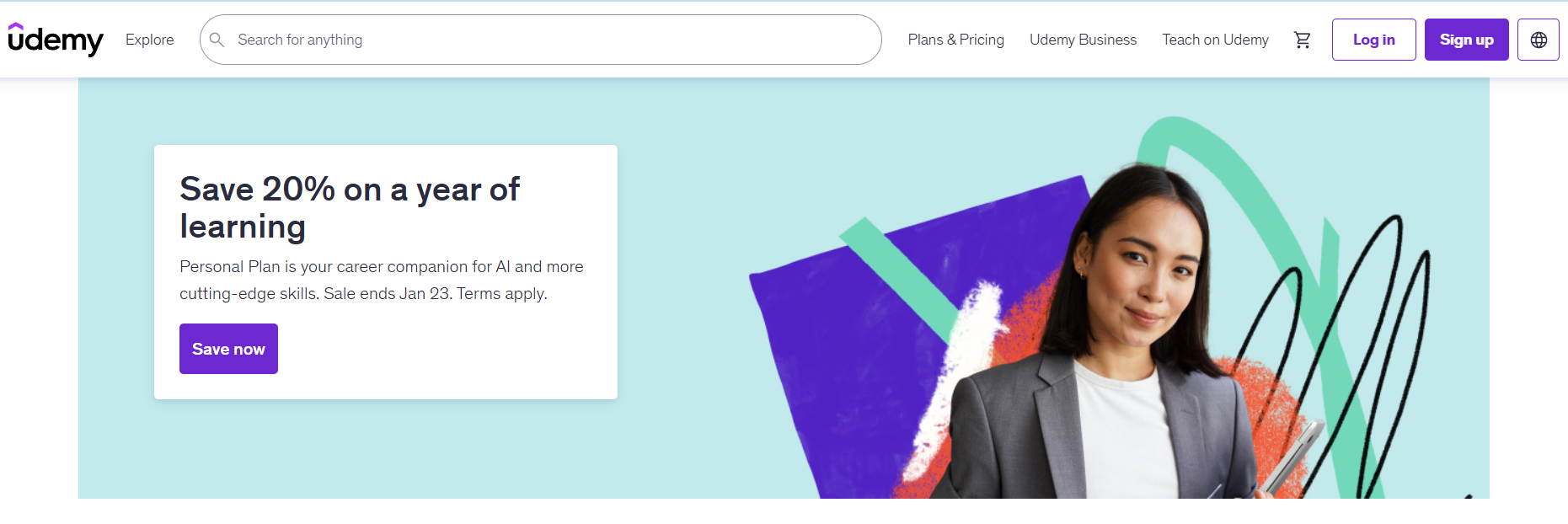
- Frequent sales (courses drop from $199 to $12–$15 almost every month)
- Udemy Business (corporate subscription with curated content)
- No formal accreditation or university partnerships
- Practice tests, downloadable resources, and direct messaging with instructors
Best Use Cases for Udemy:
- Hobbyists learning guitar, photography, or drawing.
- Freelancers needing to learn a specific software (e.g., Adobe After Effects, Excel macros).
- Budget-conscious learners who want lifetime access for under $20.
- Self-starters who don’t need a certificate to prove their skills.
- Quick fixes (“I need to learn Docker in two days for a project tomorrow”).
💰 Pricing Comparison: Coursera vs Udemy (Plans, Free Courses & Value)
Let’s talk money. This is where most people get confused. 💵
Coursera Pricing 💰
Coursera has two main ways to pay:
| Option | Price | What You Get |
|---|---|---|
| Audit for free | $0 | Watch course videos (no assignments, no certificate) |
| Single course purchase | $40–$100 | Full access + certificate |
| Coursera Plus (subscription) | $59/month or $399/year | Unlimited access to 7,000+ courses, certificates, and projects |
| Degrees | $9,000–$45,000 | Full bachelor’s or master’s degree |
Best value: Coursera Plus at $399/year. Unlimited certificates. One price.
Udemy Pricing 💰
Udemy is pay-per-course. No subscription (mostly).
| Option | Price | What You Get |
|---|---|---|
| Individual courses | $10–$200 | Lifetime access to that one course |
| Udemy Pro | $20–$30/month | Some courses + mentorship (limited) |
| Free courses | $0 | Very few. Low quality usually. |
🔥 Pro tip: Never pay full price on Udemy. They have “sales” every 2-3 weeks. Most courses drop to $10–$15.
Value Verdict 💰
| Platform | Best For |
|---|---|
| Coursera | Long-term learning, multiple courses, career credentials |
| Udemy | One-off skills, hobby learning, tight budgets |
🧑🏫 Course Quality & Certification Value (Which One Is More Recognized?)
This is the biggest difference between Coursera and Udemy.
Coursera Course Quality 🎓
- Created by university professors (PhD level)
- Reviewed by academic boards
- Includes quizzes, graded assignments, peer reviews
- Takes 4–12 weeks to complete (on average)
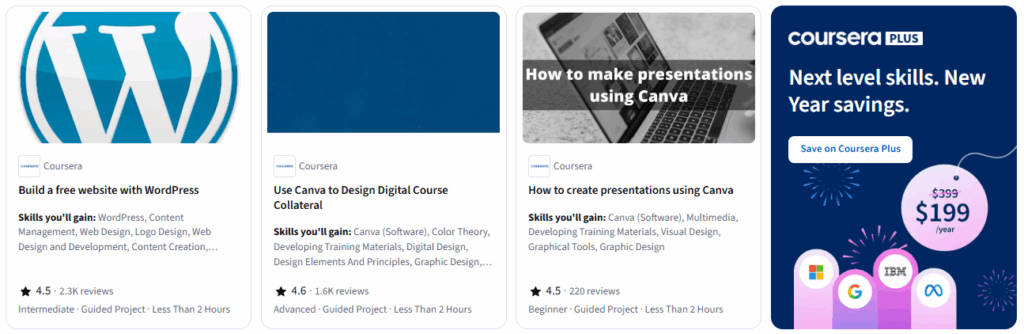
- Certificates are accredited and shareable on LinkedIn
Real employer recognition: Yes. Google, IBM, and Meta certificates on Coursera are highly valued by recruiters.
Udemy Course Quality 📚
- Created by individual instructors (anyone can teach)
- No academic review (quality varies wildly)
- Mostly video lectures + a final quiz
- Can finish in 2–10 hours
- Certificates are not accredited (just proof you watched videos)
Real employer recognition: Almost zero. Don’t put a Udemy certificate on your resume. But you can put the skill you learned.
📖 Course Variety & Topics Available (Which Platform Has More Options?)
Coursera Course Variety 📚
Coursera focuses on academic and professional topics:
- Data Science & AI
- Business & Marketing
- Computer Science & IT
- Health & Medicine
- Social Sciences & Humanities
- Personal Development (limited)
Total courses: ~7,000+
Udemy Course Variety 📚
Udemy has everything. And I mean everything:
- Programming & Web Development
- Design & Photography
- Music & Art | Language Learning
- Fitness & Yoga | Cooking & Baking
- Marketing & SEO | Personal Finance
- Even “How to Start a Podcast” and “Public Speaking”
Total courses: 200,000+
🏫 Learning Experience & Teaching Style (Structured vs Flexible Learning)
Coursera Learning Style 🎓
- Structured – Weekly modules with deadlines (or self-paced on some courses)
- Homework – Quizzes, coding exercises, peer-graded assignments
- Community – Discussion forums with other students
- Commitment – 3–10 hours per week for several weeks
Best for: People who need structure to stay motivated.
Udemy Learning Style 📚
- Flexible – No deadlines. No homework. Watch on your own schedule.
- Video-only – Mostly lectures. Few quizzes or assignments.
- Community – Q&A section per course (instructor answers sometimes)
- Commitment – Watch for 30 minutes or 5 hours. Your choice.
Best for: People who want to learn at their own pace, on their own time.
Learning Style Verdict 🏆
| Platform | Teaching Style |
|---|---|
| Coursera | Structured, university-style |
| Udemy | Flexible, video-focused |
🧪 Practical Skills & Career Impact (Which One Helps You Get a Job?)
This is the million-dollar question.
Coursera Career Impact 💼
- Career certificates from Google, IBM, Meta (designed to get you hired)
- Portfolio projects (build real work samples)
- Degrees (bachelor’s and master’s)
- LinkedIn integration (one-click add to profile)
- Job search resources (some certificates include interview prep)
Real example: Google’s Data Analytics Certificate on Coursera has helped thousands land entry-level data jobs.
Udemy Career Impact 💼
- Skill building only (no career credentials)
- No accredited certificates
- No portfolio projects (unless you build your own)
- No job placement or interview prep
Real example: You can learn Python on Udemy. But you’ll need to build a portfolio yourself to get a job.
📱 Ease of Use & Platform Interface (Dashboard, App, Navigation)
Both platforms have polished, modern interfaces, but they differ subtly.
Coursera’s UI: Clean, academic, slightly serious. The dashboard shows your upcoming deadlines, graded assignments, and progress bars. The mobile app (iOS/Android) allows offline viewing and even supports some quizzes and programming assignments. Navigation between courses, specializations, and degrees is intuitive.
Udemy’s UI: Bright, commercial, slightly cluttered. The dashboard emphasizes “continue watching” and recommendations for new courses (because their model wants you to keep buying). The video player is excellent: speed controls, note-taking, bookmarks, and Q&A sidebar. The mobile app is solid but can feel busy with promotions.
Verdict: Tie. Both are easy to use. Coursera feels more serious; Udemy feels more like a streaming service.
🌍 Accreditation & University Partnerships (Coursera Advantage?)
This is Coursera’s moat—its unassailable advantage. Udemy has zero accredited university partnerships. Not one. Udemy certificates are not recognized by any accreditation body, nor can they transfer into a college degree.
Coursera, by contrast, partners with:
- 300+ universities including Ivy League schools
- ACE (American Council on Education) for credit recommendations
- Over 30 fully accredited online degrees (Bachelor’s and Master’s)
- Industry giants like Google, IBM, Meta, Salesforce, and Intuit
If you need college credit, a pathway to a degree, or a credential that HR software recognizes, Coursera is your only choice between these two.
⏳ Course Duration & Time Commitment (Self-Paced vs Guided)
Coursera:
- Individual courses: 4–12 weeks, 2–8 hours/week
- Specializations: 3–9 months
- Degrees: 1–4 years
- Time commitment: Medium to high
Udemy:
- Courses: 1–30 hours total, watch anytime
- No multi-week structure
- Time commitment: Very low to medium (you can finish a 10-hour course in a weekend)
Verdict: If you have a full-time job and limited consistent hours, Udemy’s “watch any time, no deadlines” approach is more realistic. If you can dedicate 5–10 hours weekly for a quarter, Coursera’s depth wins.
🔐 Certificates & Credibility (Do Employers Value Them?)
We touched on this, but let’s be specific:
Employer recognition survey (industry data, 2024–2025):
- 78% of HR managers said a Coursera Professional Certificate from Google or IBM “positively influenced” a hiring decision (source: Coursera’s own impact report, but verified by third-party surveys).
- Less than 12% of managers recognized Udemy certificates at all; most said “I don’t look at them.”
LinkedIn Integration:
- Coursera certificates auto-verify via LinkedIn’s “Add license or certification” with a unique URL.
- Udemy certificates are downloadable PDFs with no verification link—easily faked.
Winner: Coursera without question.
🤝 Community, Support & Instructor Interaction
Coursera:
- Discussion forums per course, often monitored by teaching assistants or professors (in top courses).
- Peer review system forces interaction.
- Live office hours for degree students.
- Support tickets typically answered within 24–48 hours.
Udemy:
- Q&A section under each video where instructors (if active) reply. Quality varies wildly—some instructors reply within hours, others never.
- No peer review (except practice tests).
- Support is mostly self-service; live chat is limited.
- Instructor interaction is entirely dependent on the individual course creator.
Verdict: Coursera has better institutional support; Udemy’s community is a lottery.
🔄 Refund Policy & Free Trial Comparison
Coursera:
- 14-day refund for subscription charges (if you haven’t used more than 2 hours of content).
- 7-day free trial for Coursera Plus.
- No refunds for degrees after first week of class.
Udemy:
- 30-day money-back guarantee for any course, no questions asked (industry-leading).
- You can request a refund even if you’ve finished the entire course within 30 days.
- No free trial for Personal Plan, but the refund window acts as a de facto trial.
Winner: Udemy (30 days is incredibly generous).
👤 Who Should Use Coursera? (Best For…)
You should choose Coursera if:
- ✅ You want a career certificate from Google, IBM, or Meta
- ✅ You’re looking for a full degree online (bachelor’s or master’s)
- ✅ You need employer-recognized credentials for your resume
- ✅ You learn best with structure, deadlines, and assignments
- ✅ You want access to top university professors
- ✅ You’re willing to commit weeks or months to a course
🎯 Coursera is for career-focused learners.
👤 Who Should Use Udemy? (Best For…)
You should choose Udemy if:
- ✅ You want to learn a specific skill fast (Excel, Photoshop, Spanish)
- ✅ You’re on a tight budget ($10–$15 per course)
- ✅ You’re learning for personal interest or hobby (guitar, cooking, photography)
- ✅ You want lifetime access to a course (pay once, keep forever)
- ✅ You prefer no deadlines or homework
- ✅ You don’t need a certificate for your resume
🎯 Udemy is for skill-based, flexible learners.
⚖️ Pros and Cons of Coursera
✅ Pros of Coursera
- University-backed courses
- Recognized certificates
- Career certificates from Google/IBM
- Financial aid available
- Structured learning system
- Mobile app for learning anywhere
❌ Cons of Coursera
- More expensive than Udemy
- Time commitment required
- Deadlines can feel stressful
- Less variety in hobby-based courses

⚖️ Pros and Cons of Udemy
✅ Pros of Udemy
- Very affordable (frequent discounts)
- Huge variety (200,000+ courses)
- Lifetime access to courses
- No deadlines (fully self-paced)
- 30-day refund policy
- Great for hobby-based learning
❌ Cons of Udemy
- Certificates have low recognition
- Course quality varies
- No university partnerships
- No structured career pathways
- Limited free course options
🏁 Final Verdict: Coursera vs Udemy – Which One Wins?
Choose Coursera if 🎓
- You want a career certificate from Google, IBM, or Meta
- You need employer-recognized credentials for your resume
- You prefer structured learning with deadlines and assignments
- You’re committed to weeks or months of study
✅ Coursera = Career credentials that matter.
Choose Udemy if 📚
- You want to learn a specific skill fast (Excel, Photoshop, Spanish)
- You’re on a tight budget ($10–$15 per course)
- You’re learning for hobbies or personal interest
- You want no deadlines, no stress
✅ Udemy = Quick skills on a budget.
The Bottom Line 🎯
| Use Coursera for… | Use Udemy for… |
|---|---|
| Your resume | Your skills |
| Career changes | Quick fixes |
| Degrees & certificates | Hobbies & curiosity |
Can’t decide? Use both. Coursera for credentials. Udemy for everything else.
My #1 Pick 🏆
- Career growth? → Coursera
- Quick skills? → Udemy
Related Articles:-
❓ FAQs
1. Is Coursera better than Udemy for getting a job?
Yes. Coursera’s Professional Certificates from Google, Meta, and IBM are recognized by thousands of employers. Udemy certificates carry no formal weight.
2. Can I put Udemy certificates on my resume?
You can, but most hiring managers won’t care. Instead, list the skills you learned and showcase projects in a portfolio.
3. Which is cheaper, Coursera or Udemy?
Udemy is cheaper per course ($12–$15 on sale). Coursera Plus is cheaper if you take more than 6–8 courses per year ($399/year unlimited).
4. Does Coursera offer free courses?
Yes. You can audit thousands of courses for free (watch videos, no certificate). Udemy’s free courses are low quality.
5. Which platform has better instructors?
Coursera (university professors + Google/IBM engineers). Udemy has some great independent instructors but quality varies.

👨💻 Hi, I’m Anas Khan, a digital marketing expert with over 5 years of experience in e-commerce and affiliate marketing. I specialize in finding the best coupon codes 💸, Black Friday promotions 🛍️, and discount offers 💥 to help you save big!
I’ve dedicated myself to staying on top of the latest trends 📈 in online deals, so I can offer you the most reliable, tested advice. Whether you’re looking for promo codes or exclusive Black Friday deals, you can trust that my recommendations are based on solid research and personal expertise 🏆.